CP3 Conversion for CP4 Diesels: Is It Worth It?
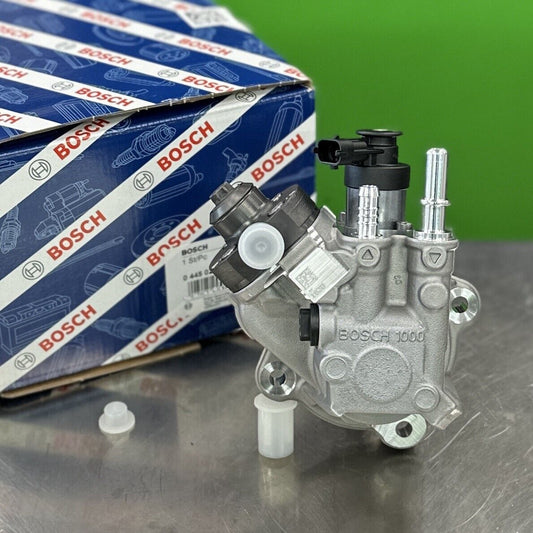
If your diesel came with the Bosch CP4.2 high-pressure pump — 2011+ 6.7L Power Stroke, 2011–2016 LML Duramax, and 2019+ 6.7L Ram Cummins — you've probably heard about converting to the older Bosch CP3. Here's a straight look at why owners do it and what to weigh.
The problem the conversion solves
The CP4.2 is lubrication-sensitive. Under certain conditions it can score internally and shed metal throughout the fuel system, turning a pump failure into a full pump-injectors-rails-lines replacement. The CP3 — used across the 2003–2007 5.9L and 2007.5–2018 6.7L Cummins and the LB7–LMM Duramax — has a long reputation for being robust and forgiving.
Why owners convert
- Peace of mind — removing the CP4 removes the catastrophic-failure risk it's known for.
- Proven durability — the CP3 has a strong track record across many platforms.
- Headroom — CP3 setups support added fuel volume for those running more power.
What to weigh
- Cost up front vs. the cost (and risk) of a CP4 failure later.
- Emissions and warranty — understand the implications for your vehicle and how you use it.
- Kit completeness — a proper conversion includes the pump and the supporting components for your platform.
Alternatives
If you're not ready to convert, fuel lubricity additives and "disaster-prevention" kits (which bypass debris if the pump fails) are lower-cost ways to reduce risk. See our CP3-vs-CP4 guide and our CP4 failure article for the full picture.
Before you order: conversion kits and pumps are platform- and year-specific — verify the correct kit for your exact application by OEM cross-reference.
Browse our fuel injector catalog, fuel pump collection, and contamination/prevention kits, or contact us with your engine details.