P0087 & P0088 Diesel Fuel Rail Pressure Codes: Causes and Fixes
What P0087 and P0088 are telling you
P0087 and P0088 are two of the most common fuel-system codes on modern common-rail diesels, and they show up on Cummins and Duramax trucks alike. Both are about one thing: the pressure in the fuel rail doesn't match what the engine computer is asking for. Understanding them saves you from throwing an expensive high-pressure pump at a problem that's often much cheaper to fix.
- P0087 — Fuel Rail/System Pressure Too Low. Actual rail pressure is below the commanded value. This is the far more common of the two codes.
- P0088 — Fuel Rail/System Pressure Too High. Actual pressure is above commanded, or the system can't bleed pressure down as expected.
Common causes of P0087 (low pressure)
- Clogged or overdue fuel filter — the cheapest and most common cause. Always rule this out first.
- Weak lift or transfer pump starving the high-pressure pump of supply.
- Air in the fuel system, often from a loose fitting, cracked line, or a filter housing that isn't sealing.
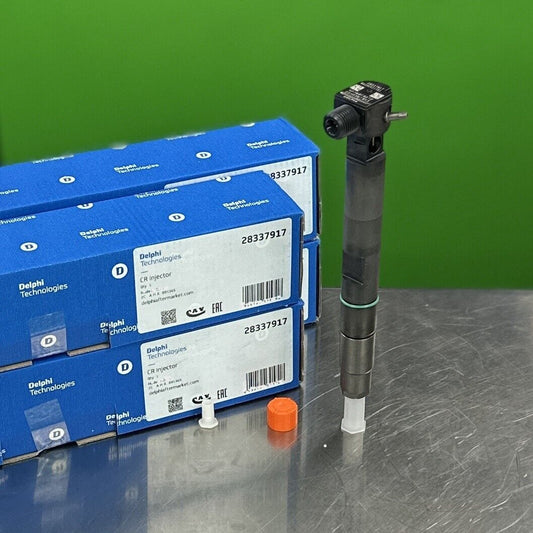
- Leaking injector return — an injector bleeding too much fuel back to tank drops rail pressure.
- Stuck fuel-control actuator (called the FCA, MPROP, or fuel-metering valve depending on the platform).
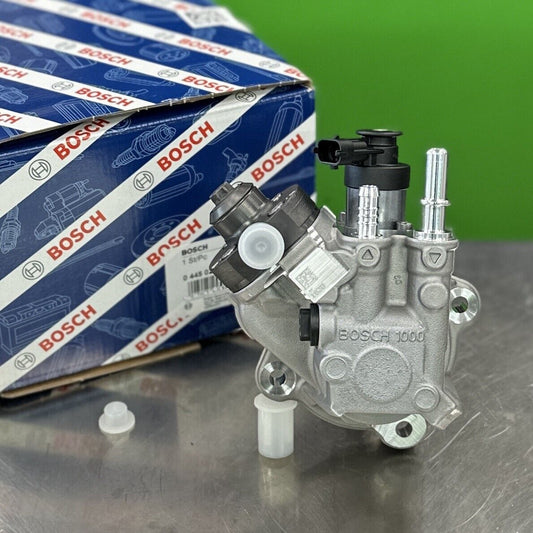
- Worn high-pressure pump (CP3, CP4.2, or similar) — usually the last thing to suspect, not the first.
Common causes of P0088 (high pressure)
- Stuck or faulty fuel-control actuator commanding too much pressure.
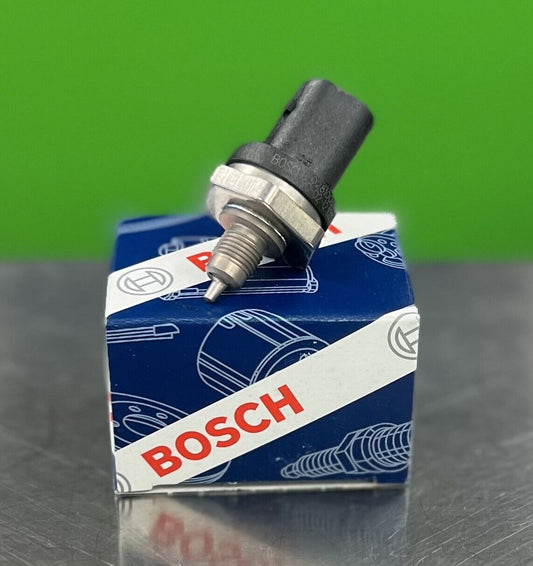
- Failing fuel-rail pressure sensor reporting incorrect values.
- Pressure-relief valve or regulator fault that won't bleed pressure down.
- Wiring or connector problems at the actuator or sensor.
Platform notes: Cummins and Duramax
The logic is the same across brands, but the hardware differs. On the 6.7 Cummins (2007.5–2018 Ram), the high-pressure pump is a Bosch CP3. On Duramax, the LB7, LLY, LBZ, and LMM generations use a CP3, while the LML moved to the Bosch CP4.2 and the L5P uses a Denso HP4. Knowing which pump your truck has matters, because a CP4.2 failure on the LML can send metal debris through the fuel system — something worth checking for if a high-pressure pump is suspected on that engine.
Diagnose in order — cheapest to most expensive
- Replace or inspect the fuel filter. Overdue filters cause more P0087 codes than any single failed part.
- Measure lift/transfer pump pressure. Low supply mimics a failing high-pressure pump.
- Check for air and leaks throughout the supply and return system.
- Run an injector return (spill) test. A single leaking injector can drop rail pressure across the whole engine.
- Test the fuel-control actuator and rail-pressure sensor. These control faults cause both P0087 and P0088.
- Confirm the high-pressure pump last, only after the supply and control sides check out.
Parts and help
Once you've narrowed it down, the right filter, lift pump, actuator, injector, or high-pressure pump depends on your exact engine and year. Browse fuel pumps here and fuel injectors here. If you're not certain which part your code points to, send us your engine details and the code you're seeing through the chat on any page — we'll help you confirm the right part before you spend money on the wrong one.