6.7 Cummins CP3 & Lift Pump Symptoms: P0087 and P0088 Explained
When the fuel supply, not the injectors, is the problem
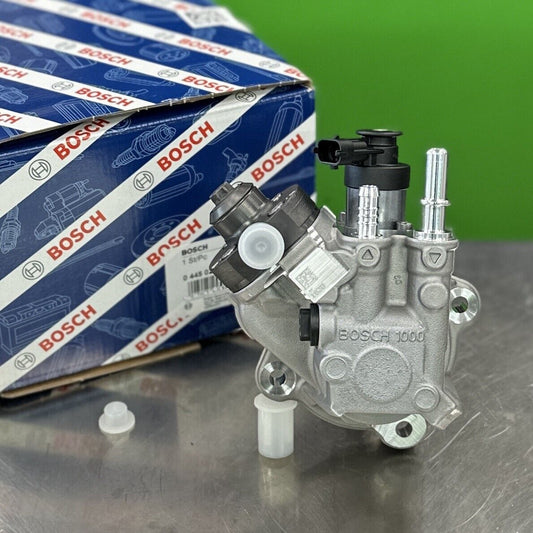
Not every 6.7 Cummins running problem starts at the injectors. On the 2007.5–2018 Ram 6.7L, fuel is delivered by a low-pressure lift pump and a Bosch CP3 high-pressure pump that builds the thousands of psi the common rail needs. When either one weakens, the truck loses rail pressure — and that usually lands as a P0087 code and a noticeable drop in power. Knowing which pump is failing saves you from replacing the wrong part.
CP3 high-pressure pump: failure symptoms
The CP3 is a mechanically driven pump built for long service, so outright failures are less common than on some other diesels — but they do happen with high mileage, contaminated fuel, or a fuel-starvation event. Watch for:
- Extended cranking or hard starts as the pump struggles to build rail pressure.
- Low power or limp mode, especially under load or when towing, as the ECM pulls timing and fueling to protect the engine.
- Stalling or surging when the pump can't hold commanded pressure steadily.
- P0087 (rail pressure too low) logged when actual pressure falls short of what the ECM commands.
Lift pump (transfer pump): failure symptoms
The lift pump supplies the CP3 with a steady low-pressure feed. A weak lift pump is one of the most common reasons a healthy CP3 still can't hold rail pressure, because the high-pressure pump is being starved. Signs include:
- Hard starting and stumbling, particularly after the truck has sat.
- Power loss or hesitation under acceleration.
- A whining or buzzing noise from the pump as it works against low supply.
- Low measured supply pressure at the CP3 inlet when tested with a gauge.
P0087 and P0088: what they mean
P0087 — Fuel Rail/System Pressure Too Low. The most common low-rail-pressure code on the 6.7. It rarely means "buy a CP3" on its own. Work through the likely causes in order: a clogged or overdue fuel filter, a weak lift pump, air getting into the fuel, a leaking injector return, a stuck fuel-control actuator (FCA/MPROP) on the pump, and only then the CP3 itself.
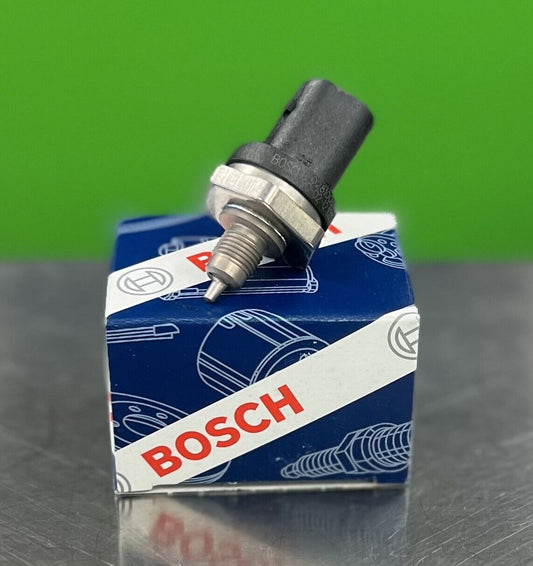
P0088 — Fuel Rail/System Pressure Too High. Less common, and usually a control fault rather than a worn pump — a stuck fuel-control actuator, a bad rail-pressure sensor, or a pressure-relief issue. Diagnose it before assuming the pump is bad. For a full walk-through of both codes across Cummins and Duramax, see our P0087 and P0088 fuel-rail-pressure guide.
A sensible diagnostic order
- Start with the fuel filter. It's the cheapest fix and a clogged filter alone can trigger P0087.
- Measure lift-pump supply pressure. Low supply starves the CP3 and mimics a pump failure.
- Check for air and leaks in the supply and return lines, including the filter housing.
- Test injector return. Excessive return from one injector bleeds rail pressure and can log P0087.
- Look at the fuel-control actuator and rail-pressure sensor before condemning the high-pressure pump.
- Confirm the CP3 only after the supply side and control side check out.
Getting the right pump for your truck
The correct CP3, lift pump, or fuel-control actuator depends on your exact year and configuration, so it's worth confirming the part number before ordering. Browse fuel pumps here and the full range of 6.7 Cummins fuel-system parts here. If you want a second set of eyes on the diagnosis or the part, send your engine serial and any codes you're seeing through the chat on any page and we'll help you confirm the right fit before you buy.